


.jpg)

.avif)
Share this article:
.svg)
.svg)

Frameworks for Meta's AI-driven advertising w/ Marcus Burke | Price Power Podcast Ep. 9
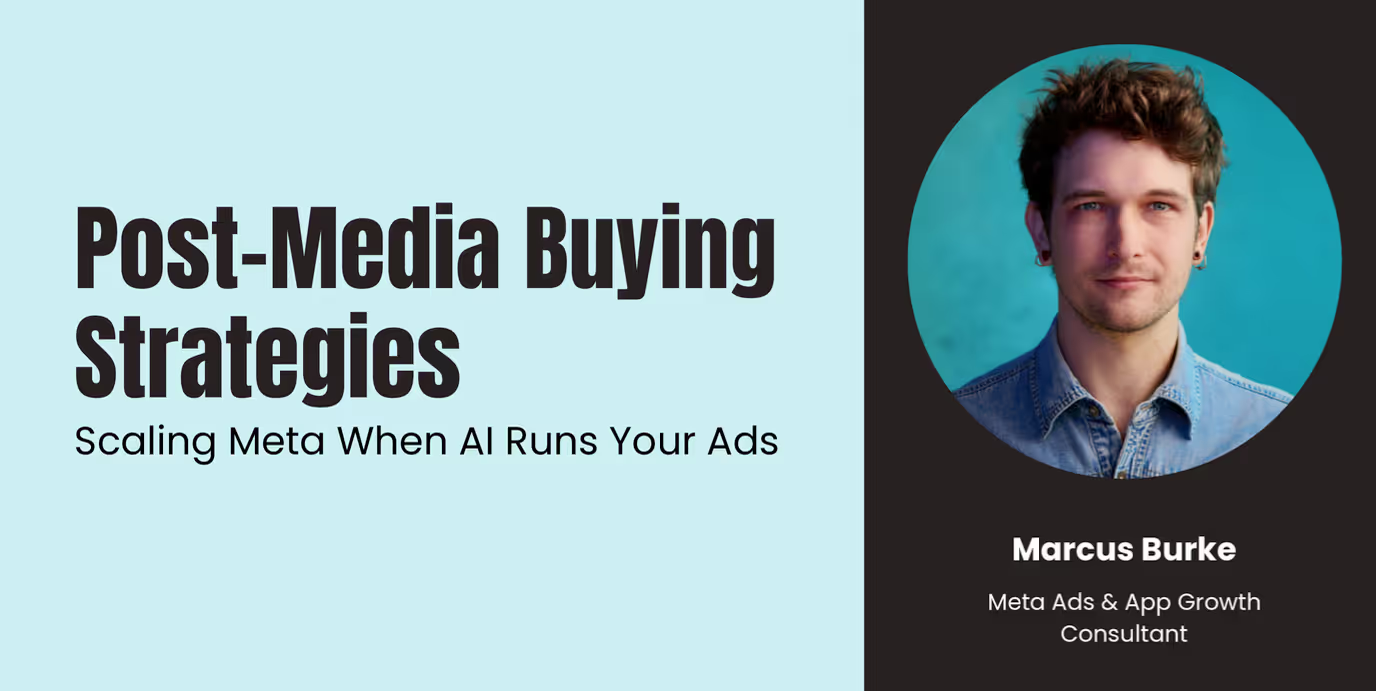
Marcus Burke joined the Price Power Podcast to talk through the frameworks he's put together around how to work with Meta's AI-driven advertising. Instead of fighting the algorithm, we work with it and we guide it. But how? Marcus is here to the rescue to shine some light on the tactics and strategies that work for him.
Marcus has helped top subscription apps grow further and others scale to millions in revenue. He’s worked with Blinkest, Cal AI, and many more. He is also one of the most generous people in terms of sharing his knowledge and learnings with others.
Don't have time to listen to the whole episode, or maybe you'd like a preview?
Read on!
We pulled out the top 10 tips from this episode for you.
1. Why Blended CPA is Irrelevant
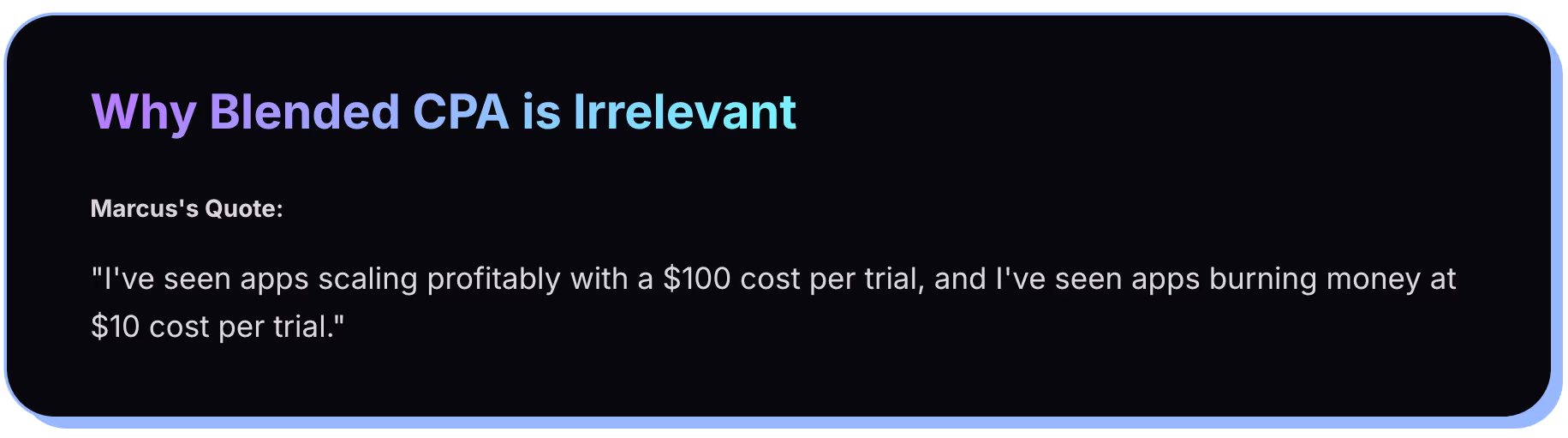
Marcus explains that blended CPA tells you nothing about traffic quality. The same $10 CPA from Instagram Reels (younger, less qualified) vs. Facebook Feed (older, more qualified) can have completely different business outcomes. He advocates for analyzing traffic composition by placement and demographics, then looking at down-funnel conversion rates to understand true value.
2. Creative Equals Targeting
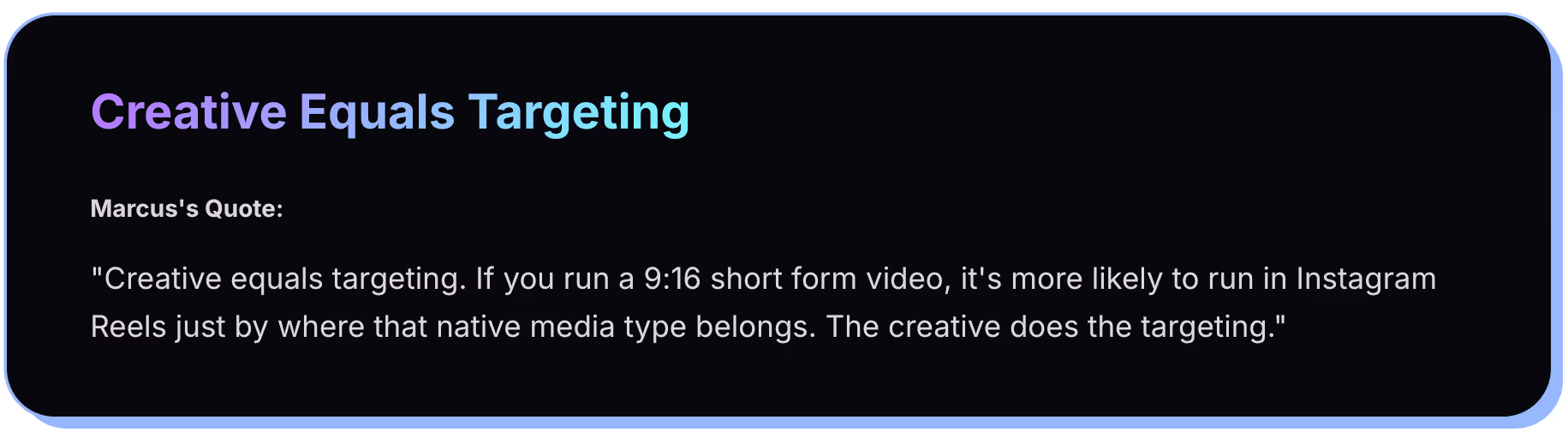
In the age of broad targeting, your creative choices determine who sees your ads. Media format dictates placement (9:16 goes to Reels, static to Feed), and messaging dictates audience (pain points for elderly naturally show on Facebook). This means your creative strategy IS your targeting strategy.
3. Why Consolidation Kills Performance
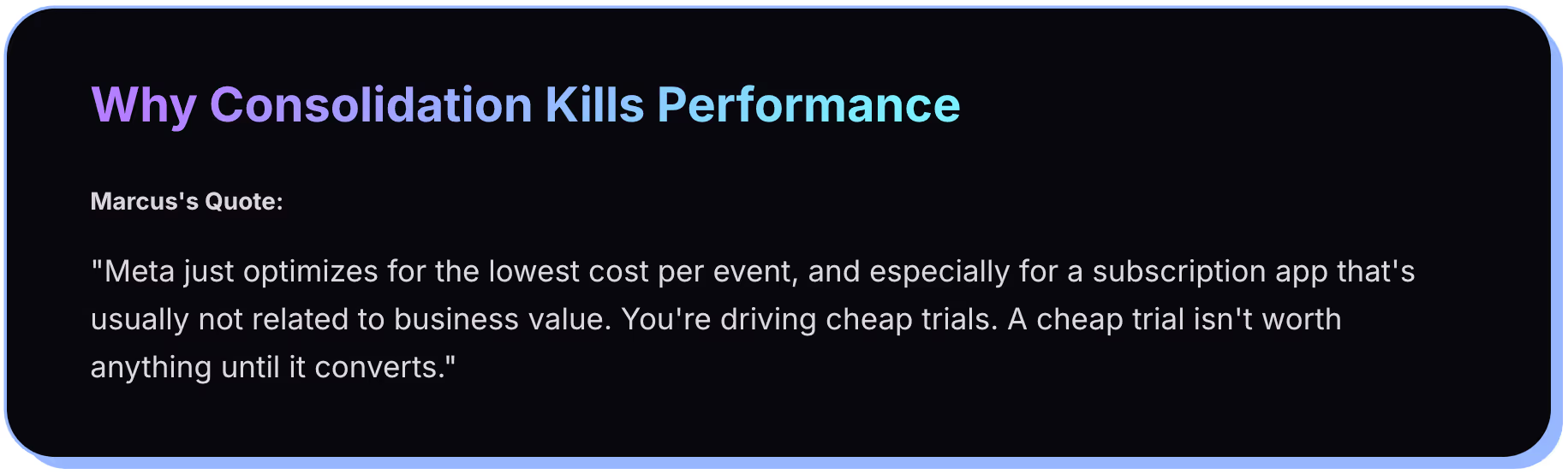
Marcus argues against Meta's push to consolidate everything into one campaign. When you do, Meta concentrates 80%+ of spend on one creative, creating massive risk. Plus, the algorithm optimizes for cheapest conversions, not most valuable ones. Better to have 5-10 ad sets grouped by expected traffic composition.
4: The Signal Engineering Trap
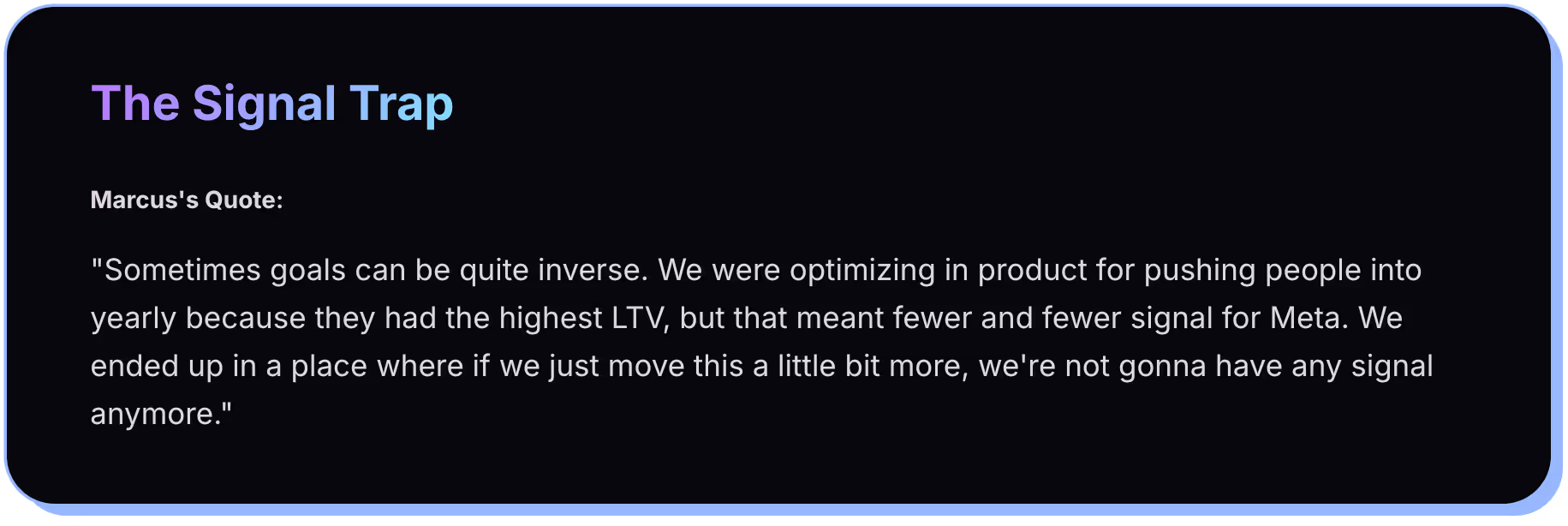
Marcus reveals that optimizing your product for highest LTV (yearly subscriptions) can destroy your ability to scale on Meta because you're starving the algorithm of conversion signals. He advocates for considering signal quality and quantity when making product decisions—sometimes a weekly subscription with more frequent conversions enables better growth even if individual LTV is lower. It's important to think about the quantity vs quality trade off of the signals you're sending to Meta. Generally, the higher quantity the better. So if you're optimizing to a higher value option for your business, but it meaningfully reduces the number of conversions, this could impede your ability to scale.
5. Paid Social Needs Different Onboarding
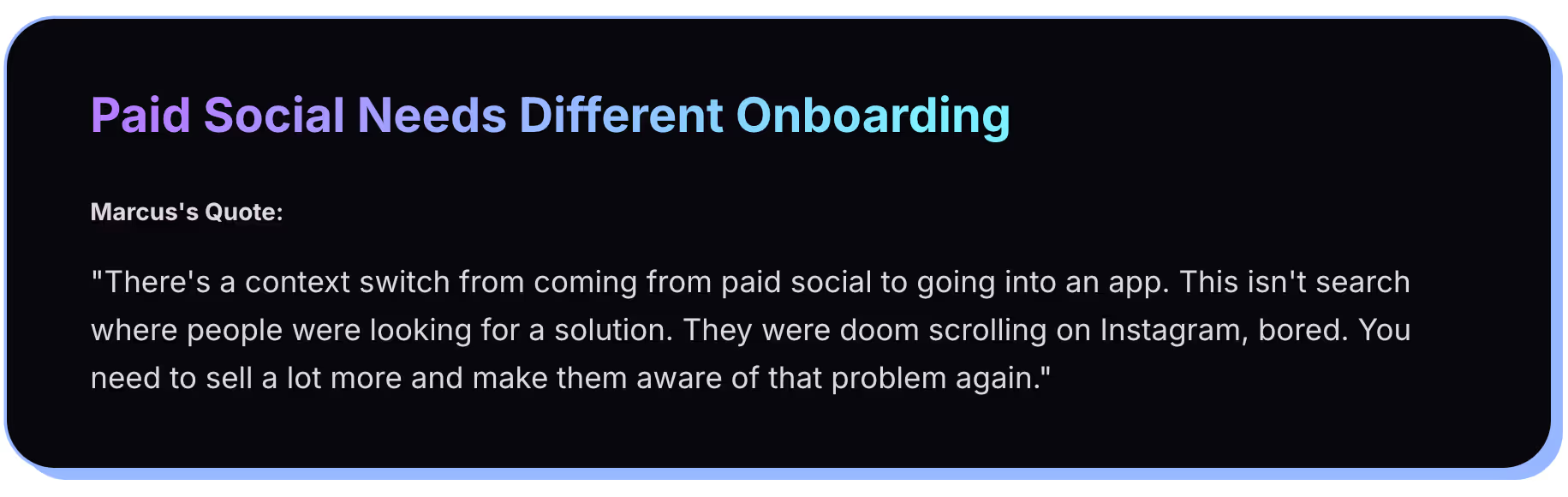
Search traffic is high-intent and problem-aware, so you get them to value fast. Paid social traffic is low-intent and distracted. This means you need to re-establish problem awareness and create an "aha moment" before asking for payment. Marcus gives examples like a recipe app importing messy blog recipes and showing the clean organized version, or an emotions coach giving personalized strengths/weaknesses analysis.
6. The Aha Moment
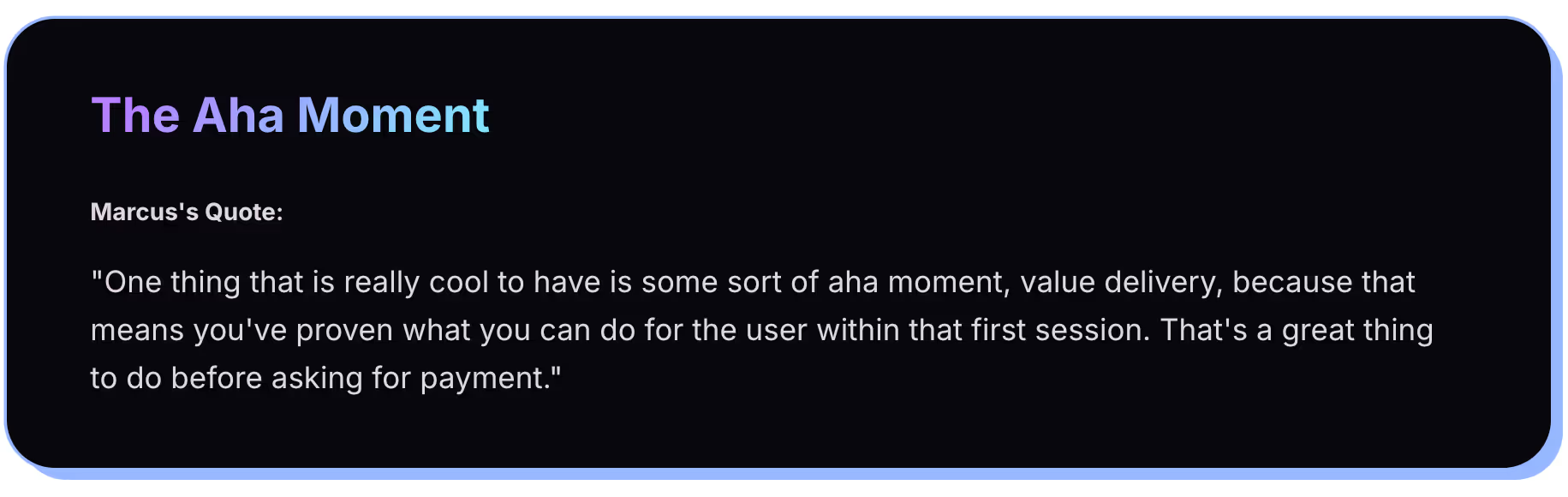
Marcus explains that the aha moment doesn't have to be your core product feature, it just needs to deliver perceived value related to the core benefit. Examples: plan scanner app shows demo scan with template, recipe app shows cleaned-up recipe import, emotions coach shows personalized analysis. The key is entertainment value and proof of capability before the paywall.
7. You're Not Really Running Broad
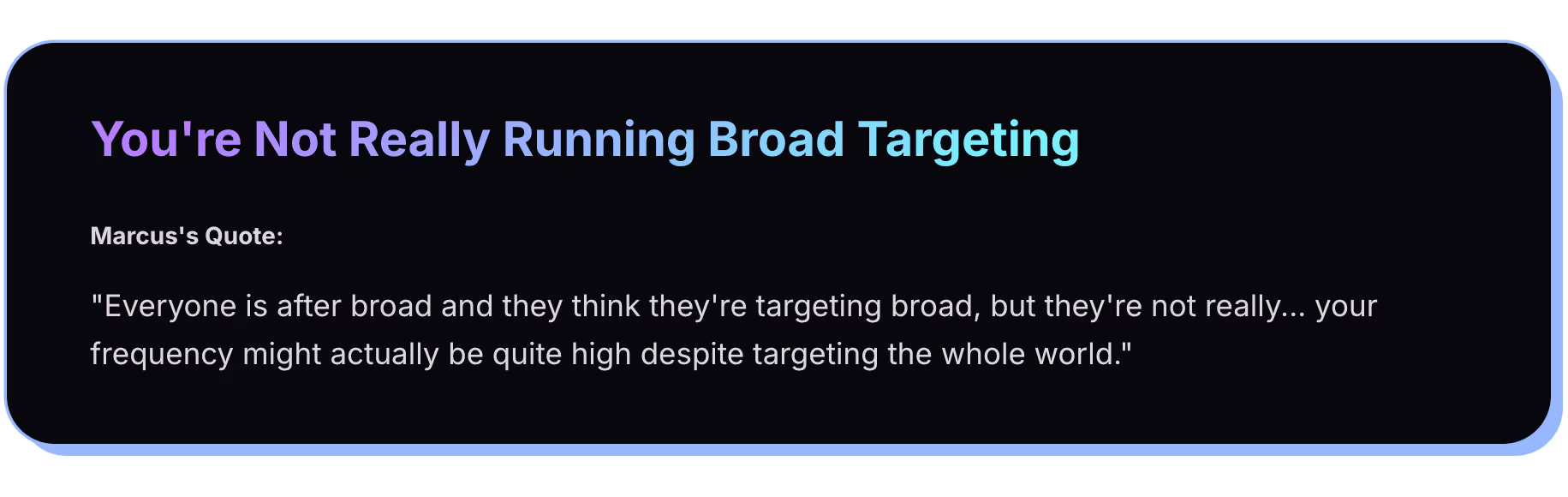
Marcus reveals that most advertisers think they're running broad targeting, but because they use the same creative types repeatedly, Meta shows ads to the same audiences over and over. You're only reaching a slice of the "whole world", so frequency goes up, effectiveness goes down. Solution: rotate creative types and angles to access different audience segments.
8. Guide, Don't Force the Algorithm
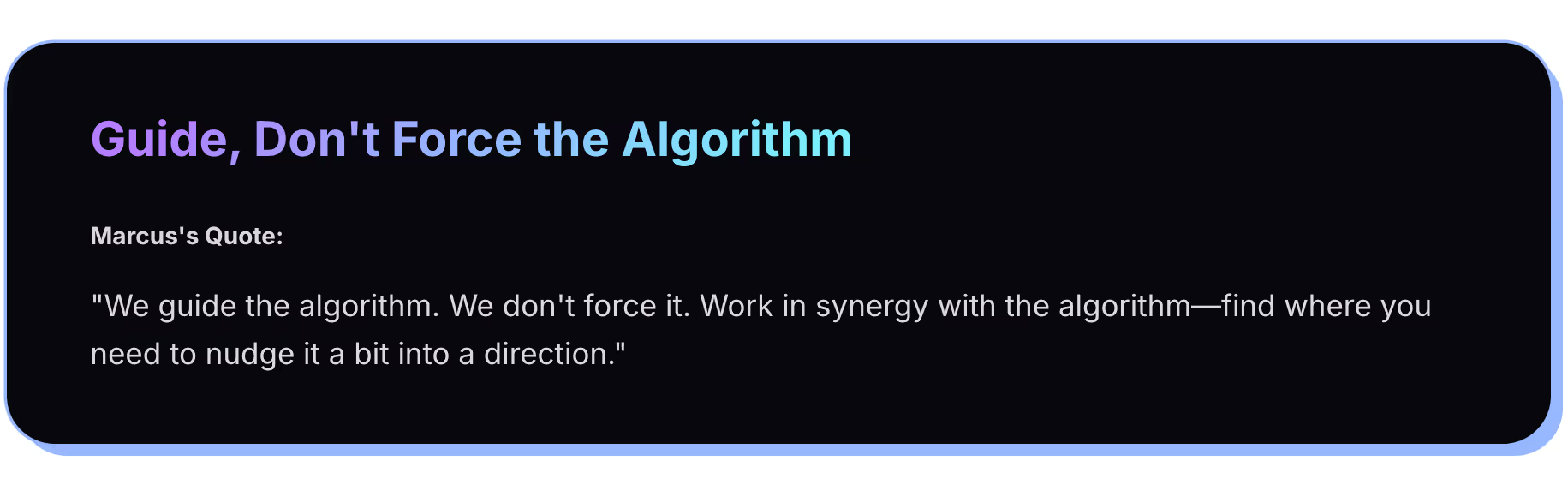
Marcus's core philosophy is that hard targeting restrictions are expensive and inefficient. Instead, use creative strategy, value rules, and ad set structure to "nudge" the algorithm toward valuable audiences. Let Meta do the heavy lifting, but provide strategic direction through architecture and signal quality.
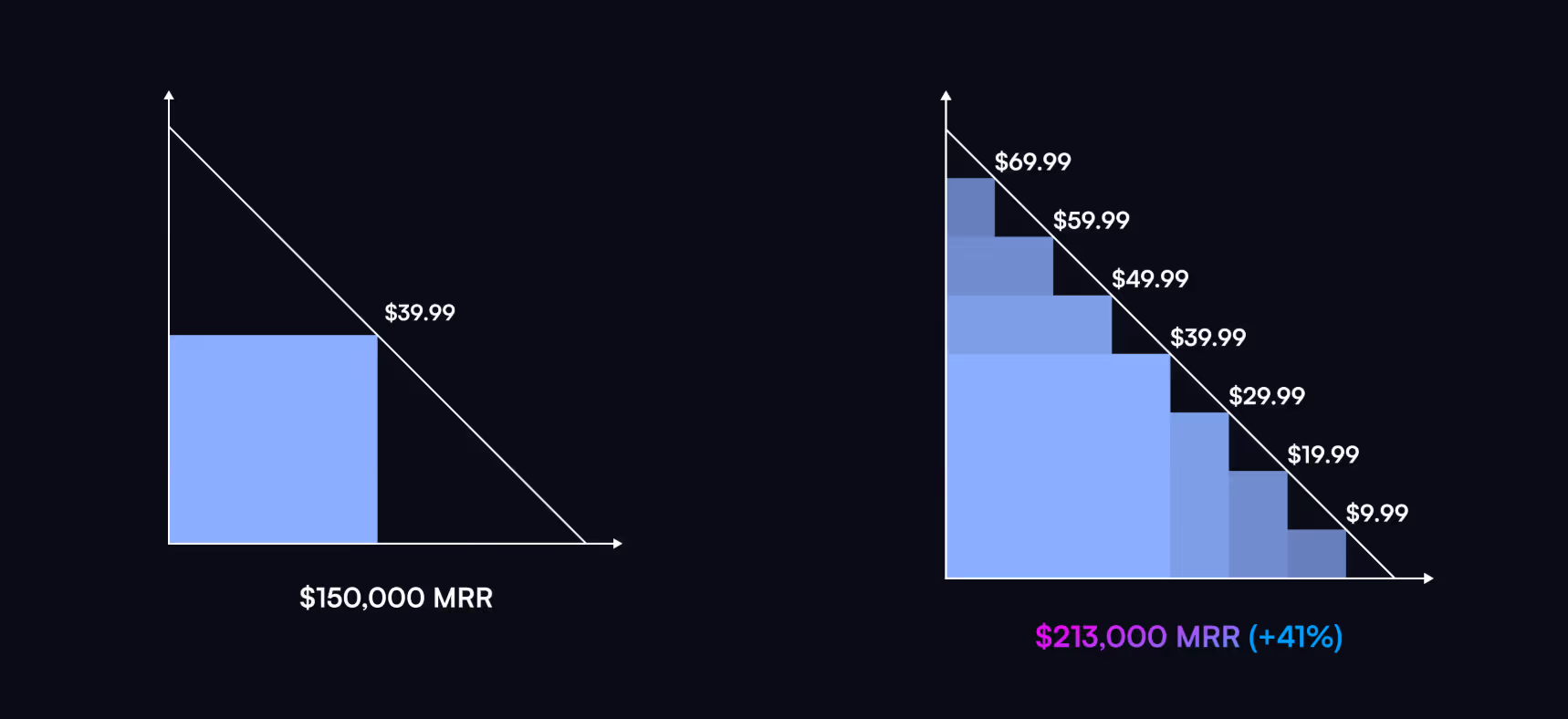
9. Multiple Price Points for Broad Audiences
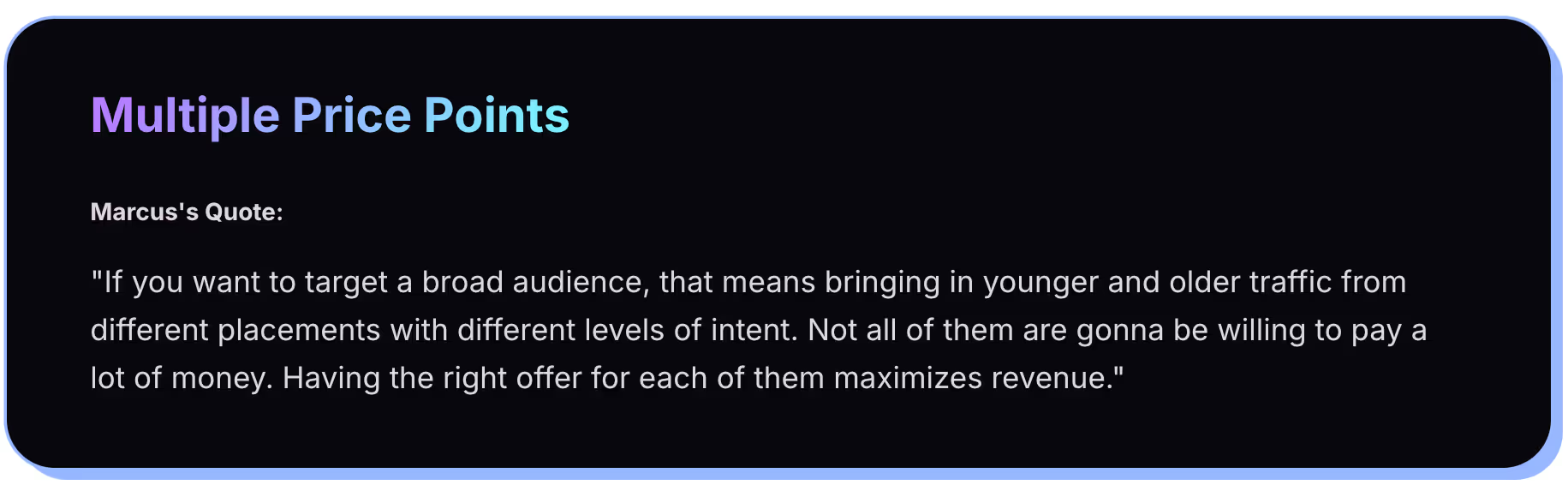
Marcus outlines a three-tier pricing structure: high-intent paywall (high price, possibly no trial) for best users, standard paywall (3 SKUs) for majority, and discount offer (50-70% off) for lower intent. One insight is that pricing strategy must align with creative strategy. If you're running UGC short-form video attracting young users, you can't charge $70/year profitably. Also, showing discounts and additional offers allows you to convert additional
10. Value Rules for Demographic Control
Marcus explains how Value Rules let you consolidate campaigns while maintaining control over traffic distribution. You can run broad targeting but tell Meta "I'm willing to pay 40% more for users in the 45+ age bracket because they convert better down-funnel." This gives you the efficiency of broad with the control of segmentation. He primarily uses it for demographics rather than placements since placement is just a proxy for audience quality.
Thanks for coming on the podcast, Marcus!
Want more from Marcus? Follow him on LinkedIn where he is constantly sharing new insights and guidance.
• Marcus Burke on LinkedIn: https://linkedin.com/in/marcusburke
• Growth Festival Presentation: https://www.linkedin.com/posts/marcusburke_postmedia-buying-strategies-scaling-meta-activity-7373668067580563456-iziy
You can go listen to the full episode on Youtube, Spotify, or Apple Podcasts here:
• Youtube
• Spotify
• Apple Podcasts

.svg)
.avif)


.avif)
.avif)


